Keeping your car properly clean requires more than one cloth and a bucket of water. The right tools help you remove dust, mud, stains and grime without scratching paint, damaging interior materials or leaving streaks. From specialised microfibre cloths to compact vacuums, these car cleaning essentials help you build a practical kit for regular home maintenance.
Automotive insight
Top Car Cleaning Essentials: Microfibre Cloths, Vacuums & More
Autoxperia26 August 20262 min read

7 Best Car Cleaning Products

Here are some of the best car cleaning products you may consider buying:
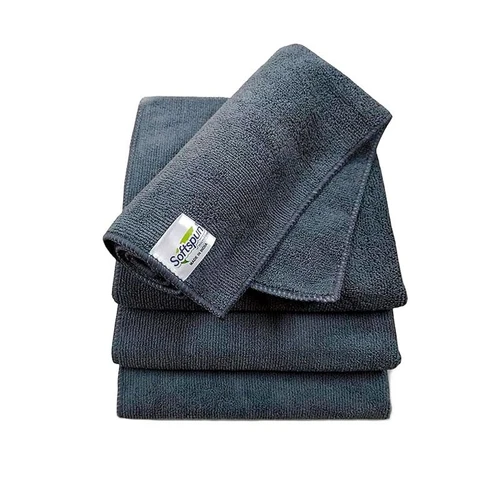
Microfibre cloths should form the foundation of your car cleaning kit. Modern vehicle manufacturers, including Kia and Mahindra, specifically recommend soft microfibre cloths or similar materials and warn against rough or dirty wiping materials that can scratch painted surfaces.
However, don't use one microfibre cloth for every car cleaning job. Build a small collection with dedicated purposes:
Plush, high-absorbency towels: For drying painted panels after washing.
Medium-pile microfibre cloths: For dashboards, door trims and general cleaning.
Flat-weave or glass-specific cloths: For windscreens, windows and mirrors.
Dedicated dirty-work cloths: For wheels, tyres and lower body panels.
GSM, or grams per square metre, is a useful indicator of fabric density. Thicker towels generally offer more cushioning and water absorption, while thinner towels can work better for glass and interior surfaces. The most important factor is not simply buying the highest GSM available; it is matching the towel to the task.
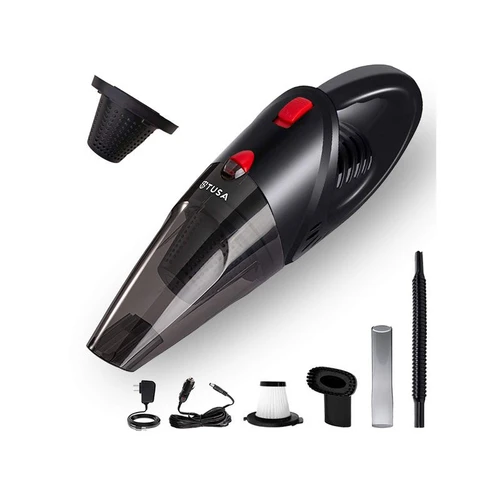
A vacuum cleaner is an essential car-cleaning accessory because wiping alone cannot remove dust trapped in carpets, seat gaps, floor mats, and under-seat areas.
For regular home use, focus on practical features rather than maximum power. A useful car vacuum should have:
A narrow crevice tool for seat rails and console gaps.
A brush attachment for carpets and upholstery.
Enough battery capacity or cable length for your cleaning routine.
A removable and washable dust container or filter.
Strong suction for fine dust and food debris.
Vacuum the cabin before applying liquid cleaners. If you wipe dusty carpets or textured plastic surfaces first, you can turn dry dirt into stubborn residue. Start with the dashboard and upper areas, then move to seats, door pockets, carpets and the boot.
For fabric seats, avoid repeatedly soaking the upholstery with cleaner. Vacuum first, treat stains separately, and allow the material to dry properly.
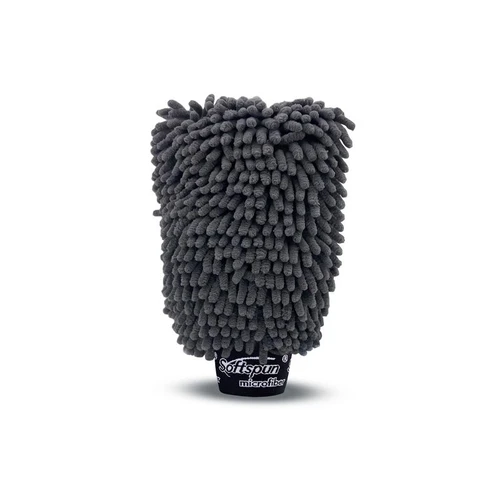
A soft wash mitt is more suitable for regular paint cleaning than an old kitchen sponge, rough cloth, or reused rag. Choose a mitt made for automotive use and rinse it frequently while washing.
Work from the cleanest areas to the dirtiest:
Roof
Glass
Bonnet and upper panels
Doors
Lower panels
Wheels and tyres last
This sequence lowers the chance of carrying abrasive contamination from the dirtiest areas onto cleaner paintwork.
Don't apply excessive pressure to stubborn spots. If bird droppings, dried mud, or tree residue won't come off easily, soften it first with water or a suitable automotive cleaner.
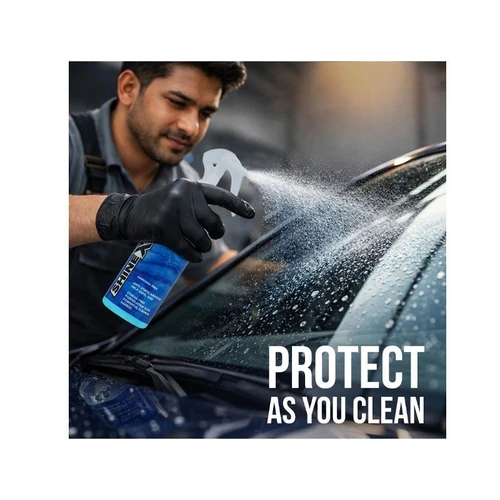
A clean windscreen can make a noticeable difference to visibility, especially when driving towards bright sunlight or at night.
Use a dedicated automotive glass cleaner and a separate lint-free microfibre cloth. Do not use the same towel that previously touched dashboard dressing, tyre products or wax because residue can cause smearing.
Clean both sides of the glass, especially the inside of the windscreen, where fingerprints, dust and residue can create haze.
If your car has aftermarket window tint, check the tint manufacturer's care instructions before choosing a cleaner. Avoid experimenting with aggressive household chemicals. For rear windows with heating or defogger elements, wipe carefully along the lines rather than scrubbing aggressively across them.
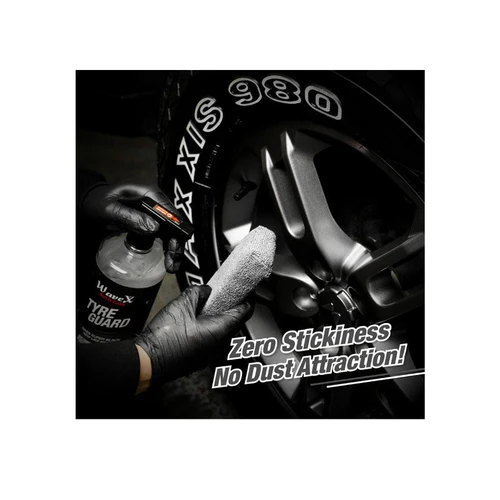
Wheels collect some of the car's toughest contamination, including brake dust, mud and road grime. They therefore need completely separate tools. Keep a dedicated:
Wheel brush
Tyre brush
Wheel-cleaning cloth
Bucket or cleaning container
Never use these car cleaning accessories on painted body panels afterward.
Clean wheels when they are cool. Avoid applying chemicals to hot wheels immediately after driving, and follow the dilution and usage instructions provided by the product manufacturer.
A stiff tyre brush can remove embedded dirt from rubber. A softer wheel brush is better suited to painted or delicate wheel finishes.
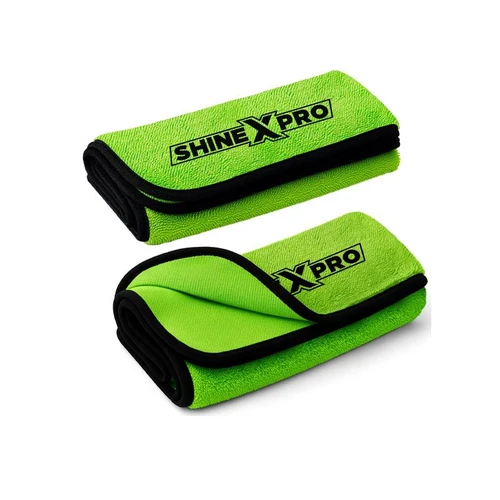
Leaving your car to air-dry after washing can leave mineral deposits and visible water spots, particularly where the water supply contains high levels of dissolved minerals.
Use a large, absorbent drying towel designed for automotive paint. Rather than aggressively rubbing the surface, place the towel on the panel and allow it to absorb water.
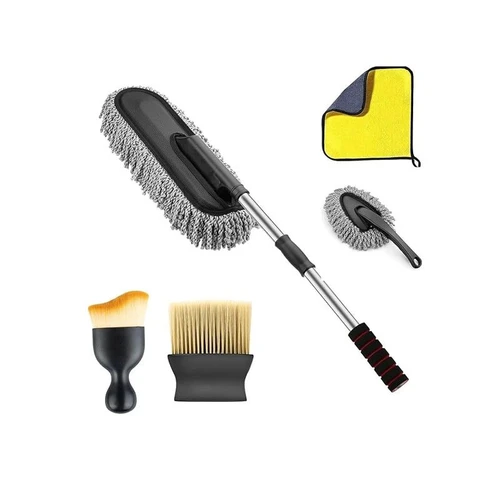
Some parts of your car simply cannot be cleaned properly with a cloth. A small set of soft detailing car cleaning brushes is useful for:
AC vents.
Dashboard seams.
Gear selector surrounds.
Switches and buttons.
Door-handle recesses.
Speaker grilles.
Badges and exterior gaps.
Choose soft bristles for delicate interior surfaces. Stiffer brushes are better reserved for durable areas such as rubber floor mats and tyres. Do not force a brush into electronic switches or narrow gaps.
Conclusion
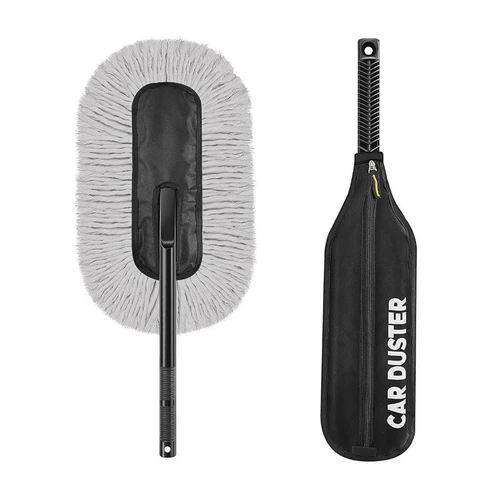
Start with a practical car cleaning kit: dedicated microfibre cloths, a car vacuum cleaner, pH-neutral shampoo, wash mitt, glass cleaner, detailing brushes and separate wheel tools. Keep each tool assigned to a specific job, especially paint, interiors and wheels. Clean gently, remove loose dirt before wiping, and follow your vehicle's care instructions to protect surfaces over time. With the right car cleaning accessories, you can keep your vehicle’s interior and exterior clean without making every wash a time-consuming task.
Looking for genuine, high-quality car accessories or reliable dealer support? AutoXperia connects you with verified dealers across India, helping you find the right accessories, parts, and services for your car, backed by trusted, transparent listings. Explore AutoXperia today and upgrade your ride with confidence.
FAQs
1. How often should you clean your car at home?
For regular use, remove interior dust and rubbish weekly, and wash the exterior when dirt, mud, bird droppings, or other contaminants build up. The ideal frequency depends on where and how often you drive.
2. Can you use household dishwashing liquid to wash your car?
It is better to use a car-specific shampoo. Household dishwashing liquids are designed to remove grease and may strip protective products or be unsuitable for repeated use on automotive surfaces.
3. Should you wash your car in direct sunlight?
It is generally better to wash your car in a shaded, cool area. Direct sunlight can cause water and cleaning products to dry quickly, increasing the chances of water spots or residue.
Amazon Affiliate Disclosure As an Amazon Associate, AutoXperia earns from qualifying purchases. When you purchase through one of the Amazon links above, AutoXperia may receive a commission at no additional cost to you.