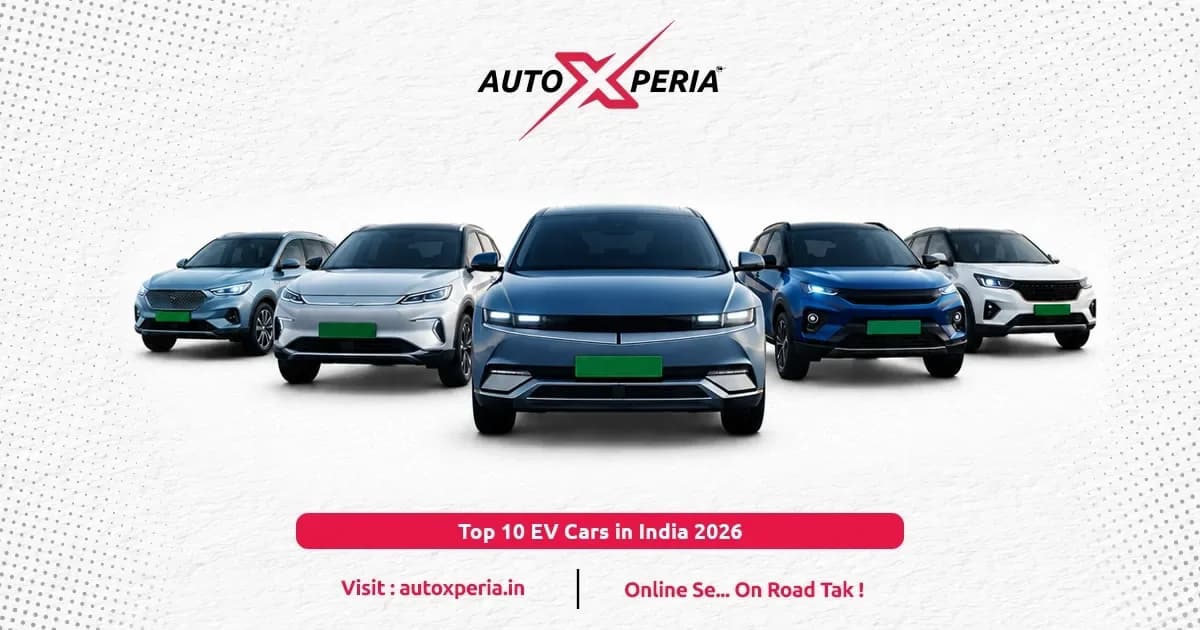
- The top 10 EV cars in India in 2026 cover every budget, from ₹7.99 lakh to over ₹53 lakh.
- Tata EV cars in India dominate the affordable segment with the Tiago EV, Punch EV, Nexon EV, and Harrier EV.
- Mahindra EV cars in India lead the performance charts with the BE 6 (up to 683 km range) and XEV 9e.
- The MG EV car price in India remains competitive, with the Windsor EV starting at just ₹12.04 lakh.
- The Maruti EV cars in India's lineup have finally arrived with the e-Vitara, offering up to 543 km range.
- BYD EV car price in India starts at ₹41 lakh for the Seal, which delivers superb acceleration.
- Bonus picks: the Hyundai Creta Electric and the Kia Carens Clavis EV are excellent all-rounders for families.
Automotive insight
Top 10 EV Cars in India 2026: Price, Range & Top Models
AutoXperia18 May 20262 min read
Introduction
The Indian electric vehicle market has grown at a remarkable pace, and 2026 is shaping up to be the most exciting year for EV car buyers in India. Whether you are a first-time buyer looking at EV car prices in India or an enthusiast after the best EV cars in India with unmatched performance, there is a model for you. Brands like Tata, Mahindra, MG, Maruti Suzuki, BYD, Hyundai, and Kia are all competing for your attention with longer ranges, smarter tech, and increasingly competitive pricing.
This guide covers the top 10 EV cars in India, ranked broadly by price, along with two bonus models worth serious consideration. Whether you are hunting for the best car to buy in India on an everyday budget or a premium SUV to upgrade your lifestyle, read on.
1. Tata Tiago EV
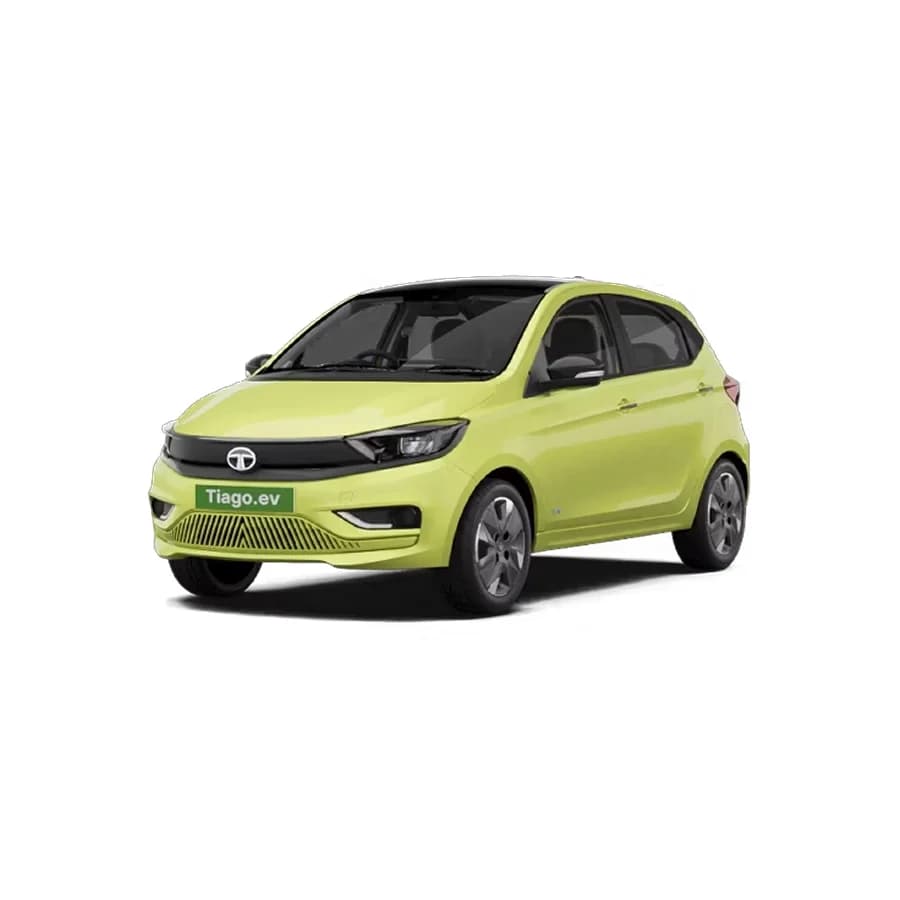
The Tata Tiago EV is the most accessible electric car in the Indian market. It slots into the hatchback segment with a familiar, fuss-free design and surprisingly practical real-world credentials. It is ideal for urban commuters who cover 30 to 60 km daily and want to cut down fuel costs. The cabin is comfortable for four adults, and Tata's Z Connect connected-car tech is a useful addition. With exceptionally low running costs, it is one of the best EVs in India in terms of value for money.
Feature | Details |
Price Range | ₹7.99 lakh – ₹11.14 lakh (ex-showroom) |
Battery Options | 19.2 kWh / 24 kWh |
Claimed Range (ARAI) | Up to 315 km |
Motor Power | 61 – 75 PS |
Charging (AC, 0-100%) | ~2.6 hours (19.2 kWh) to 3.6 hours (24 kWh) |
Key Features | Z connect app, auto AC, voice commands, regen braking modes |
Best For | City commuters, first-time EV buyers |
2. Tata Punch EV
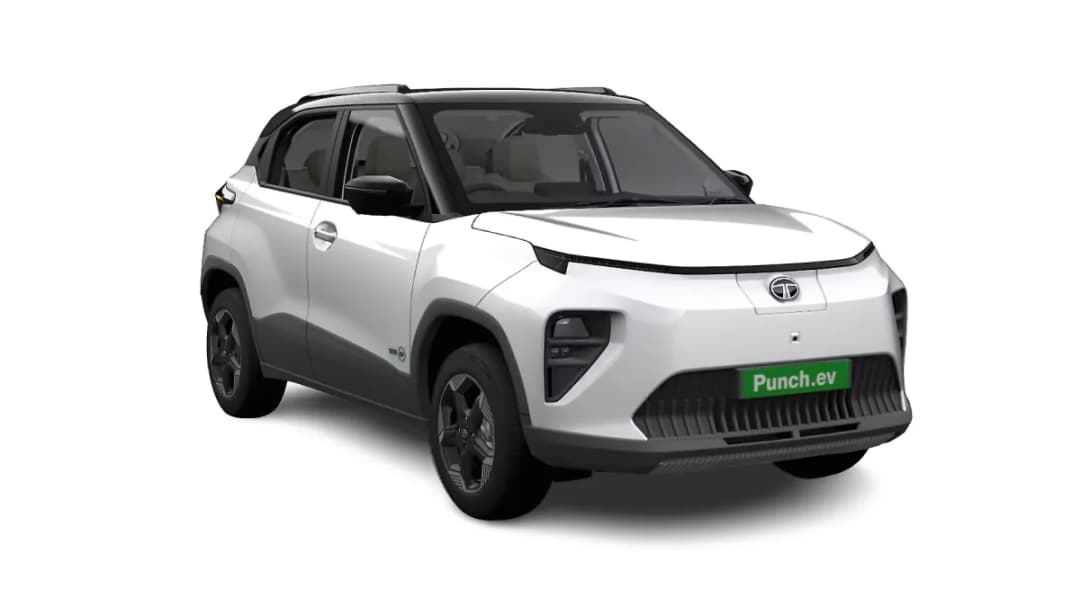
The Tata Punch EV is a brilliant one that sits one rung above the Tiago EV with a more upright SUV stance, a 5-star Global NCAP safety rating, and significantly more range on the larger battery pack. The 40 kWh variant is genuinely highway-capable, making it a strong choice for buyers who want one of the best SUVs in India without breaking the bank.
Feature | Details |
Price Range | ₹9.69 lakh – ₹12.59 lakh (ex-showroom) |
Battery Options | 25 kWh / 35 kWh / 40 kWh |
Claimed Range (ARAI) | Up to 468 km |
Motor Power | 88 – 129 PS |
Charging (DC Fast, 10-80%) | ~56 minutes |
Key Features | 5-star Global NCAP, ADAS (top variant), Voice-assisted panoramic sunroof |
Best For | Budget-conscious SUV buyers, small families |
3. MG Windsor EV
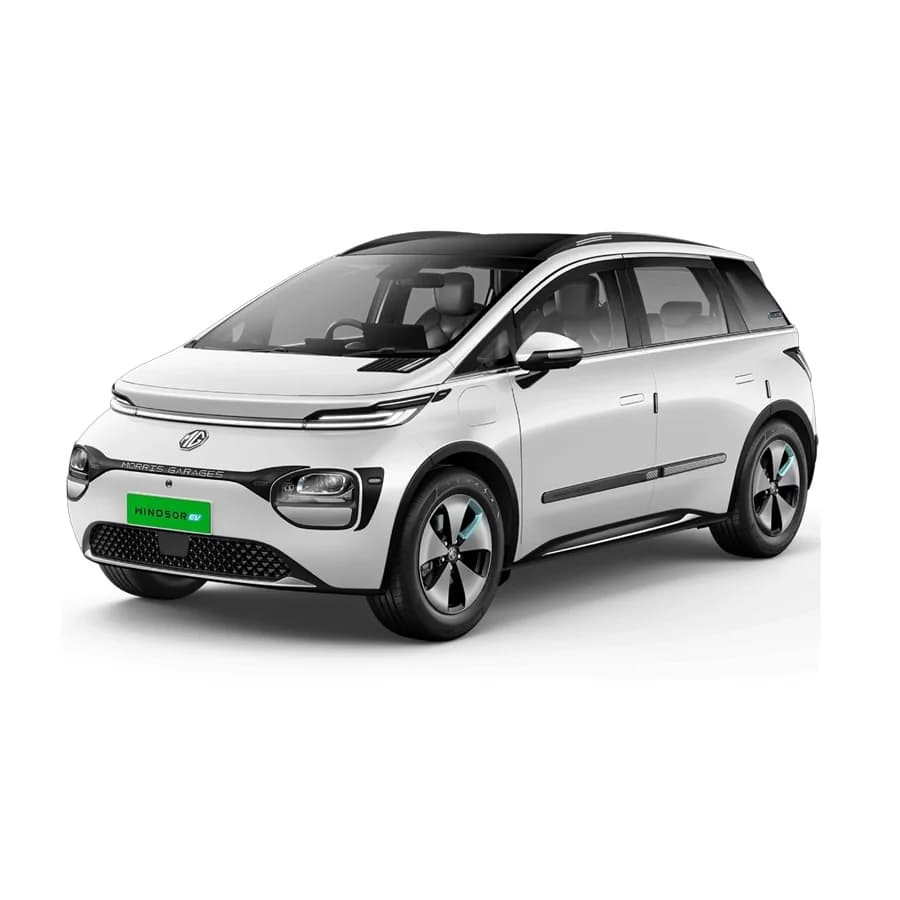
The MG Windsor EV is built on a crossover-MPV platform. It offers a generous 38 kWh battery, a claimed range of 370 km, and an impressively spacious cabin. The panoramic sunroof, quilted leatherette seats, and a large touchscreen make it feel premium, well above its price point. MG's Battery-as-a-Service (BaaS) model is available, allowing buyers to purchase the car without the battery cost, reducing the upfront price even further.
Feature | Details |
Price Range | ₹12.04 lakh – ₹21.19 lakh (ex-showroom) |
Battery | 38 kWh / 52.9 kWh (Windsor Pro) |
Claimed Range (ARAI) | Up to 449 km (Windsor Pro) |
Motor Power | 134 bhp / 200 Nm |
Charging (DC Fast, 10-80%) | ~45 minutes |
Key Features | Panoramic sunroof, BaaS option, ambient lighting, Level 2 ADAS |
Best For | Value seekers, families wanting premium features |
4. Tata Nexon EV
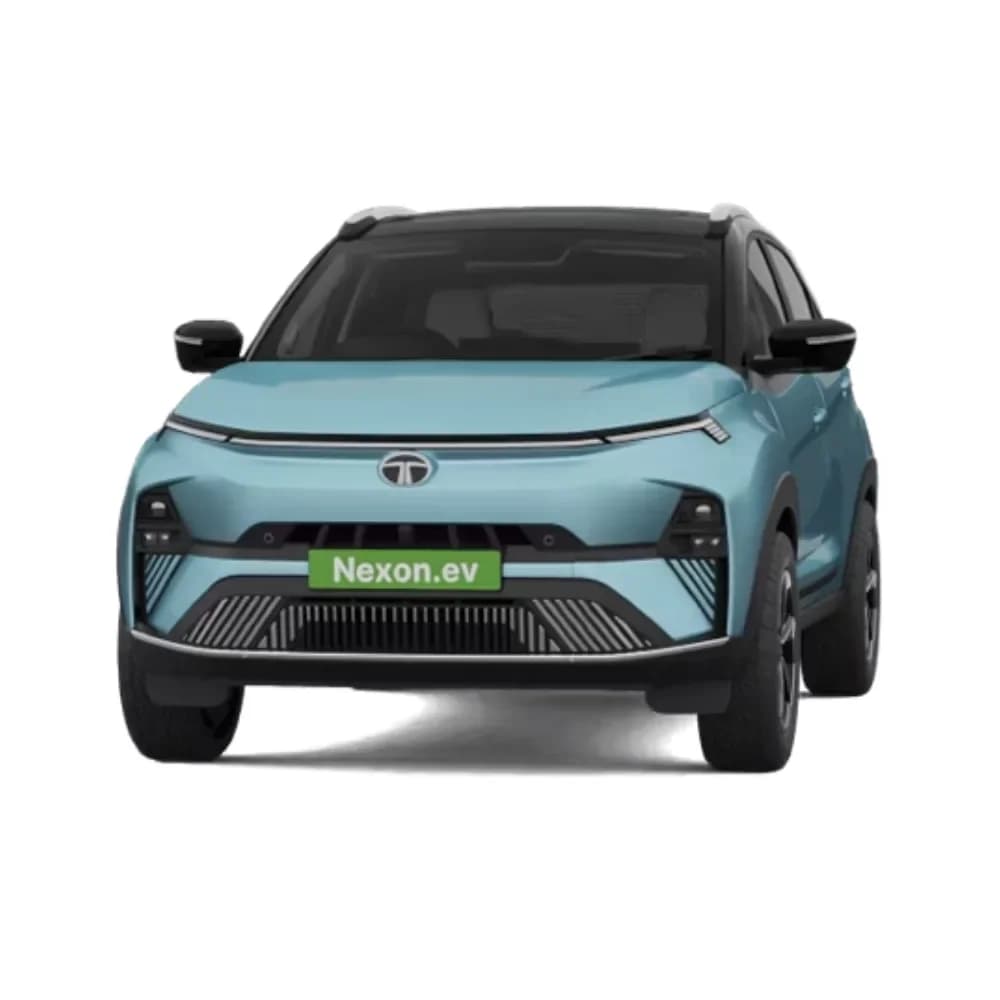
The Tata Nexon EV in 2026 is available with a 30 kWh medium-range and a 45 kWh long-range pack. The long-range variant now comes with a Lifetime High-Voltage Battery Warranty, a landmark first for this segment. With up to 142 hp, a floating 12.3-inch touchscreen, a JBL sound system, ventilated front seats, and a 9-speaker audio setup on top trims, the Nexon EV is a highly rounded compact electric SUV.
Feature | Details |
Price Range | ₹12.49 lakh – ₹19.86 lakh (ex-showroom) |
Battery Options | 30 kWh (MR) / 45 kWh (LR) |
Claimed Range (ARAI) | Up to 489 km |
Motor Power | Up to 142 bhp / 215 Nm |
Charging (AC, 7.2 kW) | ~4.3 hours (MR) / ~6 hours (LR) |
Key Features | Lifetime HV battery warranty, ADAS (top trim), V2L, 12.3-inch touchscreen |
Best For | First-time EV buyers, compact SUV enthusiasts |
5. Maruti Suzuki E Vitara
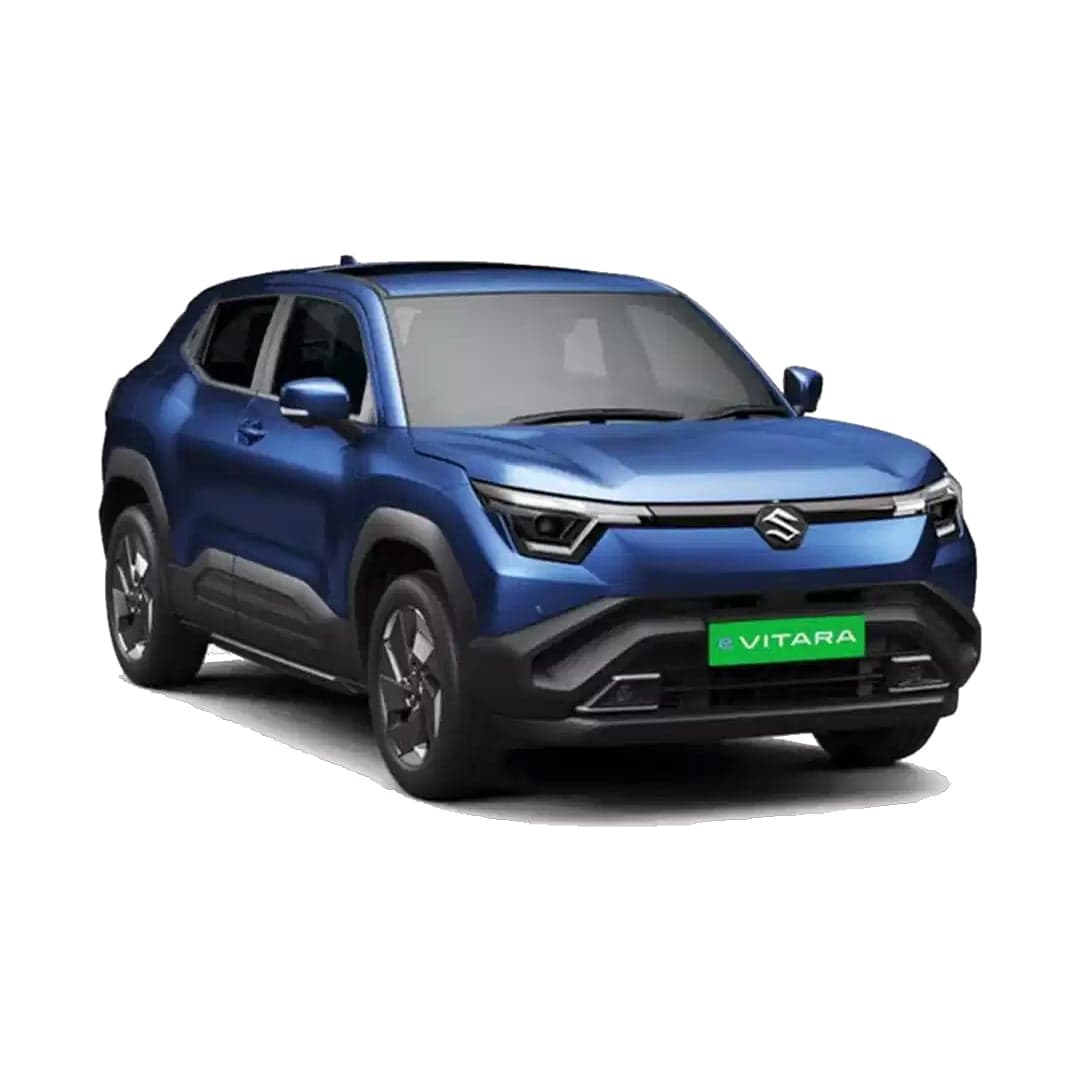
Maruti Suzuki's long-awaited entry into the EV car segment in the Indian market has finally happened with the e-Vitara. Launched in early 2026, it comes in two battery options and claims up to 543 km of range on the larger pack. It earned a 5-star Bharat NCAP safety rating, has Level 2 ADAS as standard on higher variants, and carries seven airbags.
Feature | Details |
Price Range | ₹15.99 lakh – ₹20.01 lakh (ex-showroom) |
Battery Options | 49 kWh / 61 kWh |
Claimed Range (ARAI) | Up to 543 km |
Motor Power | Up to 174 PS |
Charging (DC Fast, 10-80%) | ~39 min (49 kWh) / ~58 min (61 kWh) |
Key Features | 5-star Bharat NCAP, 7 airbags, Level 2 ADAS, Suzuki Connect |
Best For | Maruti loyalists, highway travellers, safety-conscious buyers |
6. MG ZS EV
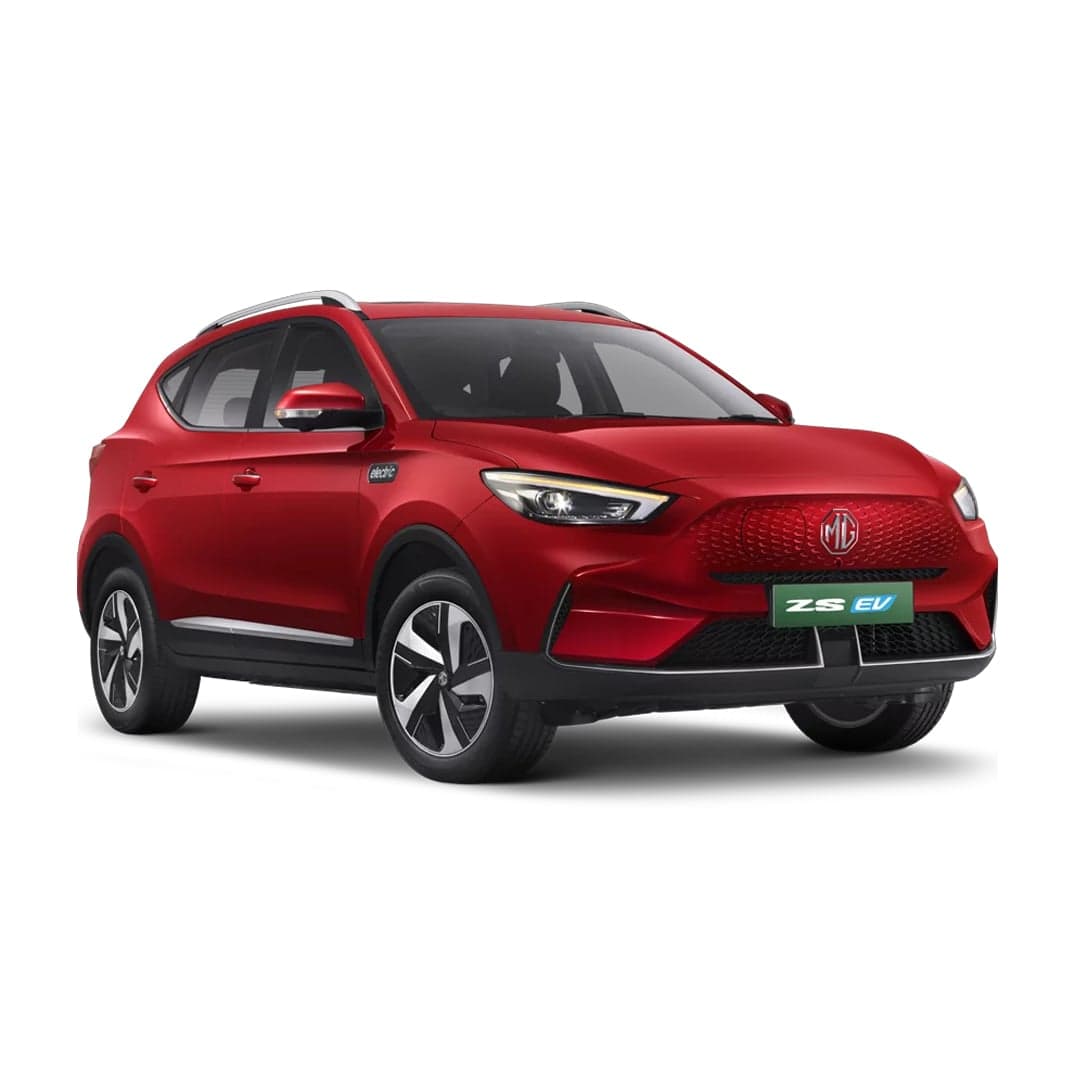
The MG ZS EV is a globally proven electric SUV that has been on sale in India long enough to build a strong reputation. The current generation features a more powerful motor, a refined interior, and a feature list that includes a large touchscreen, 360-degree cameras, and ADAS. It competes in the same space as the Hyundai Creta Electric and the Maruti e-Vitara, and offers solid global engineering credentials.
Feature | Details |
Price Range | ₹17.99 lakh – ₹20.50 lakh (ex-showroom) |
Battery | 50.3 kWh |
Claimed Range (ARAI) | Up to 461 km |
Motor Power | 177 PS / 280 Nm |
Charging (DC Fast, 10-80%) | ~60 minutes |
Key Features | 360-degree camera, Level 2 ADAS, panoramic sunroof, MG e-Shield warranty |
Best For | Mid-range SUV buyers wanting global-spec tech |
7. Mahindra BE 6
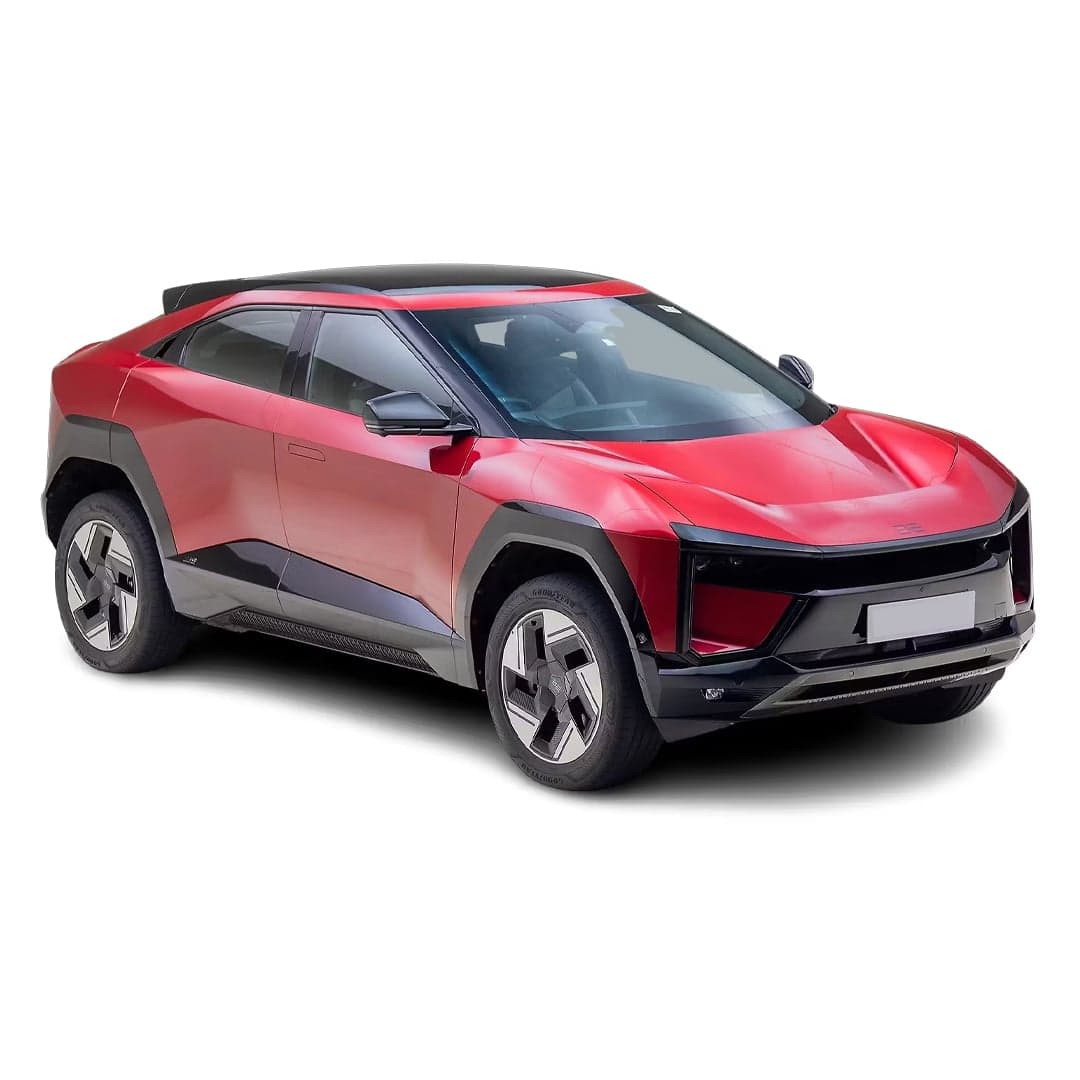
The Mahindra BE 6 is arguably the most exciting electric SUV to arrive in India in recent years. Built on Mahindra's new INGLO electric platform, it is a sporty fastback SUV powered by a 59 kWh or 79 kWh battery. The larger pack claims up to 683 km of range, which is class-leading. With 286 hp on the top variant, bi-directional charging, and an aviation-inspired cabin loaded with tech, the BE 6 redefines what Mahindra EV cars in India can deliver.
Feature | Details |
Price Range | ₹18.90 lakh – ₹28.49 lakh (ex-showroom) |
Battery Options | 59 kWh / 79 kWh (LFP) |
Claimed Range (ARAI) | Up to 683 km |
Motor Power | Up to 286 hp / 380 Nm |
Charging (DC Fast, 10-80%) | ~25 minutes (175 kW DC) |
Key Features | 286 hp, bi-directional charging (V2L / V2H), ADAS, INGLO platform |
Best For | Performance-oriented buyers, tech enthusiasts, range maximisers |
8. Mahindra XEV 9e
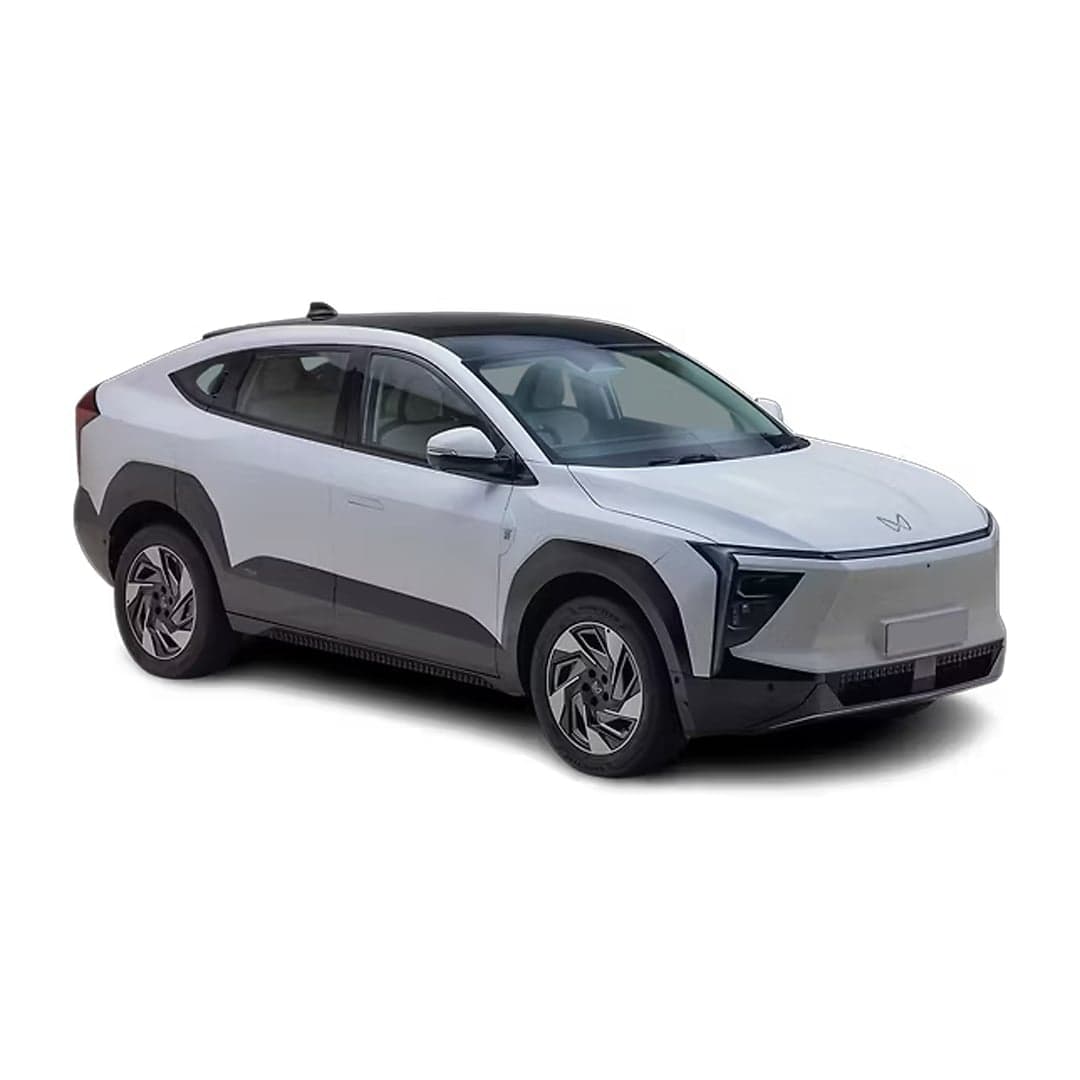
If the BE 6 is Mahindra's sporty fastback, the XEV 9e is its flagship electric coupe-SUV. Longer, taller, and more commanding on the road, the XEV 9e offers the same INGLO platform benefits with an even bolder design language. The top Pack Three Above variant claims up to 656 km of range. The immersive tri-screen dashboard setup, a large panoramic sunroof, and a premium audio system make it feel genuinely luxurious. For buyers visiting Car Dealers in Hyderabad, Mahindra's growing network has authorised outlets city-wide.
Feature | Details |
Price Range | ₹21.90 lakh – ₹31.25 lakh (ex-showroom) |
Battery Options | 59 kWh / 79 kWh (LFP) |
Claimed Range (ARAI) | Up to 656 km |
Motor Power | Up to 286 PS / 380 Nm |
Charging (DC Fast, 10-80%) | ~20 minutes (175 kW DC) |
Key Features | Tri-screen cockpit, panoramic sunroof, V2L, Level 2+ ADAS |
Best For | Flagship SUV buyers, premium EV market, design-driven buyers |
9. Tata Harrier EV
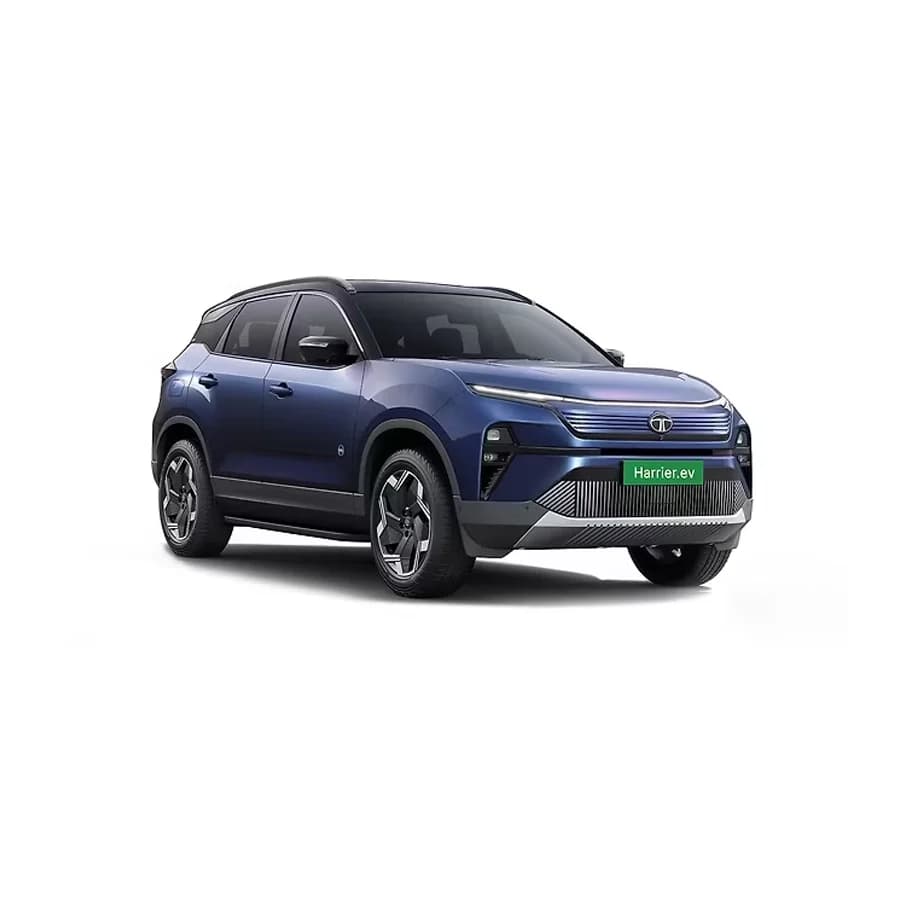
The Tata Harrier EV is Tata's largest and most premium electric SUV to date, and it delivers on every front. Priced from ₹21.49 lakh, it offers a 65 kWh or 75 kWh battery, with the top variant claiming up to 627 km of ARAI-certified range. Tata has equipped it with a 14.53-inch touchscreen, a panoramic sunroof, Level 2 ADAS, Vehicle-to-Grid (V2G) capability, and its Lifetime High-Voltage Battery Warranty.
Feature | Details |
Price Range | ₹21.49 lakh – ₹28.99 lakh (ex-showroom) |
Battery Options | 65 kWh / 75 kWh |
Claimed Range (ARAI) | Up to 627 km |
Motor Power | Up to 167 kW / 3 Nm |
Charging (DC Fast, 20-80%) | ~25 minutes |
Key Features | 14.53-inch touchscreen, Lifetime HV warranty, V2G, 6 airbags, Level 2 ADAS |
Best For | Large SUV families, Tata loyalists, premium EV segment |
10. BYD Seal
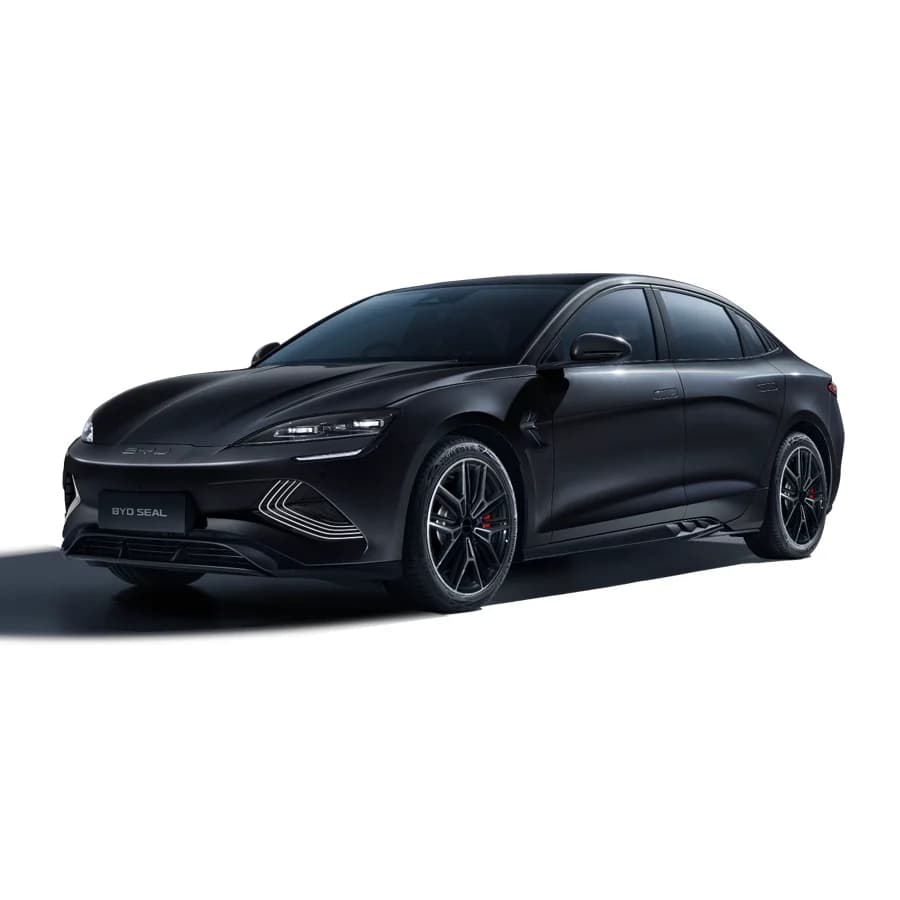
The BYD Seal is in a league of its own among the top 10 EV cars in India. It is the only premium electric sedan on this list, and it makes a compelling case for the body style. Powered by BYD's Blade Battery technology, it is available in Dynamic (61.44 kWh), Premium, and Performance (82.56 kWh AWD) variants. The Performance variant does 0–100 kmph in just 3.8 seconds. A rotating 15.6-inch touchscreen, ventilated and heated front seats, a panoramic glass roof, and dual wireless charging pads make the cabin feel genuinely special.
Feature | Details |
Price Range | ₹41.00 lakh – ₹53.15 lakh (ex-showroom) |
Battery Options | 61.44 kWh (RWD) / 82.56 kWh (RWD & AWD) |
Claimed Range (ARAI) | Up to 650 km |
Motor Power | 523 bhp |
Charging (DC Fast, 10-80%) | ~30 minutes (150 kW DC) |
Key Features | Blade Battery, rotating 15.6-inch screen, AWD variant, FSD suspension (top variant) |
Best For | Sedan lovers, performance EV buyers, tech-forward premium segment |
Bonus Pick 1: Hyundai Creta Electric
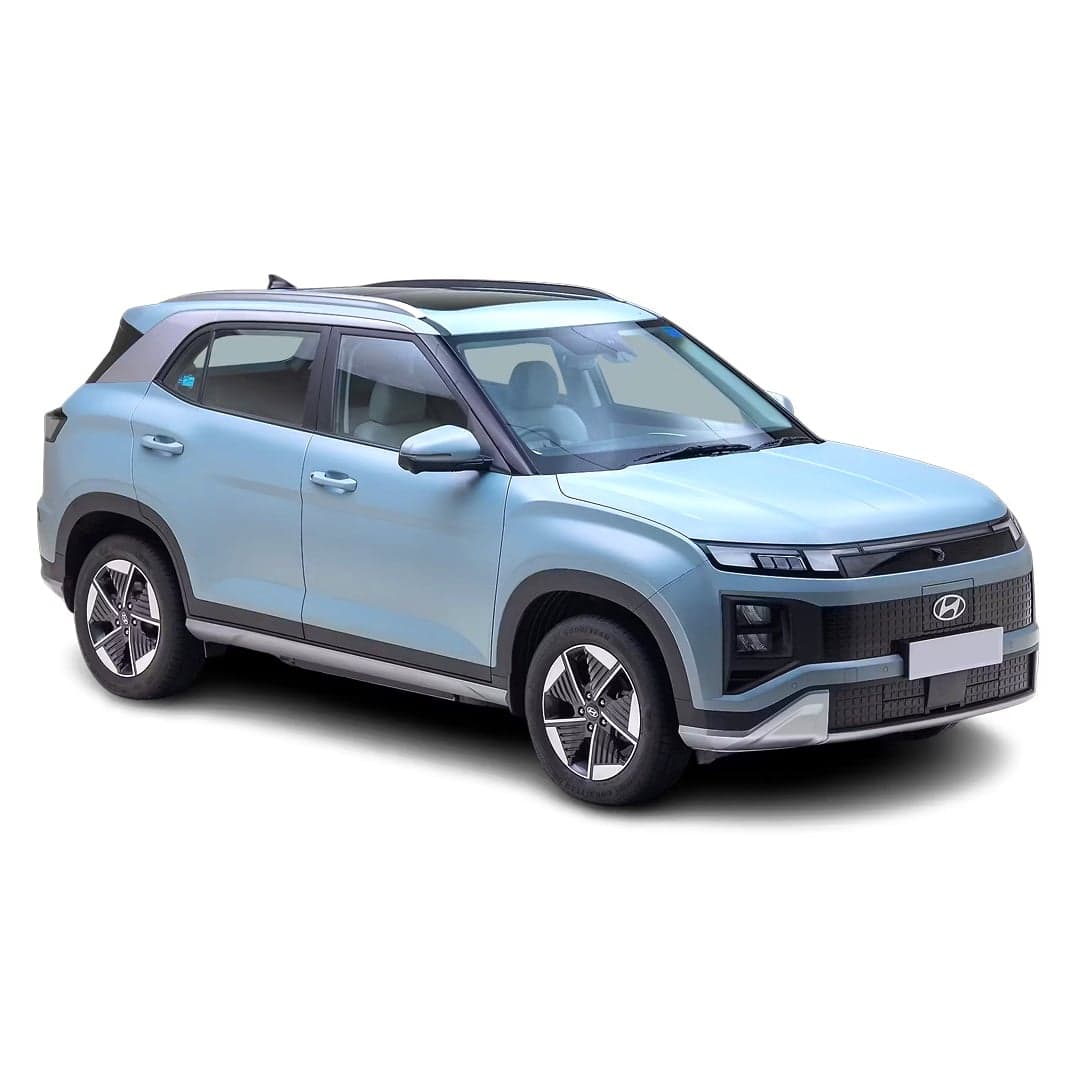
The Hyundai Creta Electric is undoubtedly among the best EV cars in India in 2026 for buyers who want a trusted name with an extensive service network. It carries forward the immensely popular Creta's design DNA into a polished electric package. Two battery options offer ranges of up to 473 km. The feature list is extensive: a Level 2 ADAS suite, a panoramic sunroof, an 8-speaker Bose sound system, dual-zone climate control, V2L charging, and 70 connected car features via Hyundai Blue Link.
Feature | Details |
Price Range | ₹18.02 lakh – ₹25.85 lakh (ex-showroom) |
Battery Options | 42 kWh / 51.4 kWh |
Claimed Range (ARAI) | Up to 473 km |
Motor Power | 169 bhp / 255 Nm |
Charging (DC Fast, 10-80%) | ~58 minutes (50 kW DC) |
Key Features | Level 2 ADAS, Bose audio, V2L, Hyundai Bluelink, 433L boot |
Best For | Trusted brand seekers, families, and feature-rich EV buyers |
Bonus Pick 2: Kia Carens Clavis EV
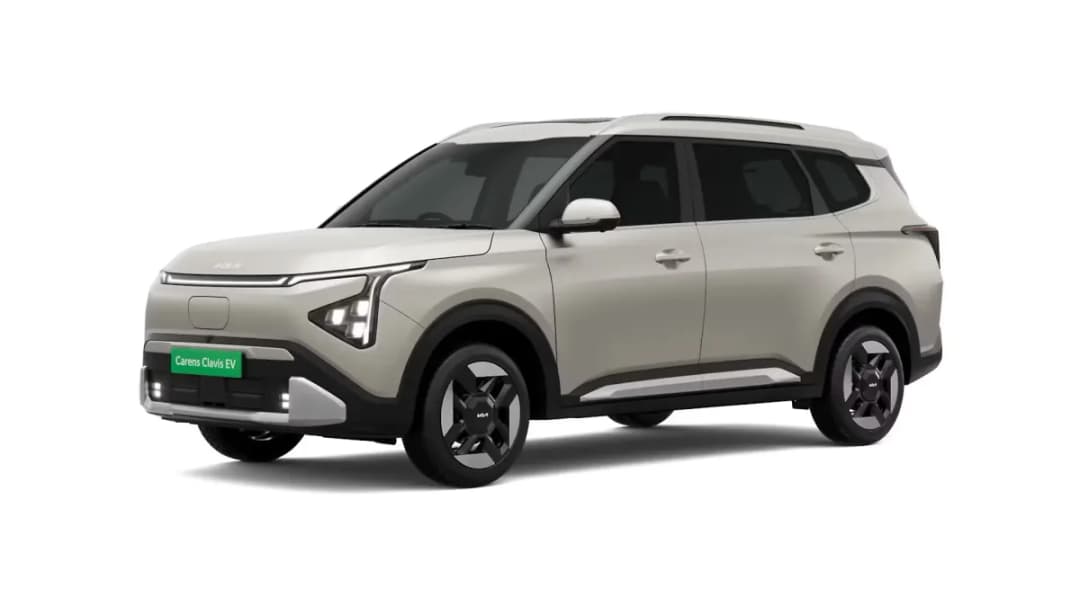
The Kia Carens Clavis EV stands out as India's first mass-market electric MPV. Available exclusively as a 7-seater, it comes with 42 kWh and 51.4 kWh battery options, with the larger pack offering up to 490 km of claimed range. At ₹17.99 lakh to ₹24.99 lakh, it competes closely with the Creta Electric but adds a third row of seating. DC fast charging (100 kW) takes just 39 minutes from 10% to 80%. The dual 12.25-inch screens, flat-bottom steering, panoramic sunroof, and V2L support make it a genuinely well-rounded family car. It is Kia's first made-in-India EV.
Feature | Details |
Price Range | ₹17.99 lakh – ₹24.99 lakh (ex-showroom) |
Battery Options | 42 kWh / 51.4 kWh |
Claimed Range (ARAI) | Up to 490 km |
Motor Power | 99 kW – 126 kW / 255 Nm |
Charging (DC Fast, 10-80%) | ~39 minutes (100 kW DC) |
Key Features | 7-seater, 3 rows, V2L, Level 2 ADAS, dual 12.25-inch screens |
Best For | Large families, 7-seater EV buyers, and practical long-range buyers |
Conclusion
India's EV market in 2026 has matured significantly. From the budget-friendly Tata Tiago EV to the performance-focused BYD Seal, the range of choices makes it easier than ever to find a genuinely suitable electric car for your lifestyle and budget. Tata EV cars in India continue to lead in volume and affordability, while Mahindra EV cars excel in performance and range. Meanwhile, new entrants such as the e Vitara and the Kia Carens Clavis EV are broadening the market for every kind of buyer.
There are so many options that making the right choice can feel overwhelming, and this is exactly where Autoxperia can help you. Autoxperia is a trusted automotive platform that connects car buyers across India with verified dealers, making the entire process of discovering, comparing, and purchasing your dream EV straightforward and stress-free. Whether you are looking for car dealers in Hyderabad or want to explore the full range of top EV cars in India, Autoxperia brings the dealership to you. Visit Autoxperia. in today and take the first step towards your perfect electric drive.
FAQs
1. Which is the most affordable EV available in the Indian market in 2026?
The most affordable EV car in India in 2026 is the Tata Tiago EV. It starts at only ₹7.99 lakh. This EV car is ideal for city driving and first-time EV buyers on a tighter budget.
2. Which EV offers the longest range in India in 2026?
The EV that offers the longest range in India is the Mahindra BE 6. With its 79 kWh battery pack, it claims up to 683 km of ARAI-certified range, making it the longest-range mass-market EV currently on sale in India.
3. Is it safe to charge an EV at home in India?
It can be perfectly safe to charge an EV at home in India. While most EVs come with a home charging unit, you can also install a dedicated AC wall box charger for faster and safer overnight charging. You should always use certified charging equipment.
4. What is the best EV SUV to buy in India in 2026?
The best EV SUV for you in 2026 actually depends on your budget. The MG Windsor EV and Tata Nexon EV are excellent in terms of value. The Mahindra BE 6 leads the pack in terms of performance and range. For a trusted name with a wide service network, the Hyundai Creta Electric is a strong pick.
5. Do EVs have lower maintenance costs than petrol cars?
Generally, EVs have lower maintenance costs than petrol cars. EVs have fewer moving parts and no engine oil, timing belt, or clutch to replace. Running costs for home charging can be as low as ₹1–1.50 per km compared to ₹5.50–8.50 per km for petrol. This means significant long-term savings for you.
6. Are there any government subsidies on EVs in India in 2026?
There is currently no central government subsidy for electric passenger cars at the national level. However, several state governments, including Maharashtra, Delhi, and Gujarat, offer purchase incentives, road tax waivers, and registration fee exemptions. It is worth checking the EV policy in your state before purchasing.